
Despite the bad press, energy drinks remain a popular beverage for athletes, workout enthusiasts, workaholics, tired parents, and even teens and college students.
The controversy stems from their ingredients (think lots of sugar or artificial sweeteners, colors, & additives), caffeine content (which can be two to five times higher than a strong cup of coffee), and over-consumption.
For this reason, many people are looking for healthier energy drinks and alternatives. So, what are the healthiest energy drinks for you… and can they even be healthy? The answer is nuanced, but we have some helpful clean brand recommendations, tips, and energy drink alternatives to share.
Keep reading to learn more …
Note: This article contains affiliate links, meaning In On Around will make a small commission at no additional cost to you. This helps us maintain the site. As always, we value full transparency & only work with brands we love and trust.
Author: In On Around Founder & CEO, Catherine Power.
- Published On:
- Updated On: September 16, 2025
Summary:
- Energy drinks rely on caffeine and added ingredients, like sugar, guarana, and vitamins, to provide a burst of energy
- Unfortunately, most energy drinks contain excessive amounts of caffeine (2-5 times more than a cup of coffee), sugar, high fructose corn syrup, artificial dyes, additives, and preservatives
- Although energy drinks aren’t inherently “healthy”, there are healthier brands available with moderate amounts of caffeine, no sugar or low-sugar, no artificial additives or synthetic vitamins, organic ingredients, and are non-GMO
- Best Brand: Nooma
Table of Contents
Healthy Energy Drinks - Is It Possible?
This is kind of like asking if a decadent dessert can be healthy if it’s made with organic ingredients, and the answer is… no, not really.
Clean ingredients or not, the fact remains that energy drinks rely on high levels of caffeine and, sometimes, sugar to give you a quick energy boost.
Sure, some brands may contain energy-enhancing herbs, vitamins, amino acids, and other ingredients, but ultimately it’s the caffeine that makes them work.
Caffeine, although generally safe for most healthy people in moderate amounts, is an addictive drug and can cause serious and even life-threatening side effects if consumed in excess.
Most energy drinks contain excessive amounts of caffeine – far more than your typical cup of coffee, tea, or matcha.
To be clear, I’m not against all caffeinated beverages, many of which have proven health benefits (I do love my matcha!). However, I’m careful not to overdo consumption.
So, can energy drinks be healthy? Some, including those we’ll rate here, are healthier than others and are probably fine in moderation for most people. However, I wouldn’t consider them a healthy or health-promoting beverage.
Let’s Get Real About What Causes Energy Dips
Most people lean on energy drinks for enhanced workout performance or to help get them through that afternoon slump (think: RedBull, Alani Nu, Bloom Energy, Guel, Jocko Go, and more). Afternoon slumps are often caused by dips in blood sugar, leading to a decline in energy and focus.
One way to combat this is to make sure you’re eating enough high-quality protein at mealtimes and to enjoy a protein-rich snack in between meals. Clean, fiber-rich carbs are also crucial for sustained energy, especially if consumed with protein and before and after workouts.
I know my workout performance is enhanced if I have some healthy carbs, like dates, an orange, a banana, etc., before and/or after working out. It won’t jack you up like an energy drink would, but it gives you all the energy you need to push yourself without overdoing it.
Drinking alcohol can also really zap your energy, as can lack of sleep, a poor diet, lack of movement, poor hydration, excess screen time, too much sugar, or poor mental health. By addressing the root causes of energy dips, you can help decrease or eliminate reliance on energy drinks.
Top 8 Dirty Ingredients In Popular Energy Drinks
We see fit, healthy athletes drinking energy drinks and presume they’re healthier than soda. Unfortunately, this typically isn’t the case.
Here are some of the worst ingredients found in popular energy drinks.
1 - Excess Caffeine
Although opinions vary, the FDA suggests limiting caffeine intake to 400 milligrams per day, and many people tolerate much less. [1]
Yet most energy drinks have between 200mg and 500 mg of caffeine per 16 fluid ounces!
For context, a cup of coffee contains 80-100 mg of caffeine, a cup of black tea contains 70-80 mg, and a cup of green tea contains 30-45 mg.
As you can imagine, this adds up quickly, especially if you’re drinking a large cup of coffee or two in the morning, one in the afternoon, and an energy drink before a workout.
Excess caffeine can disrupt sleep, digestion, heart health, kidney function, mental health, cognitive function, liver health, adrenal function, and pregnancy outcomes, and deplete essential nutrients like iron, calcium, magnesium, and B vitamins.
There are also ongoing investigations and research into several reports of sudden cardiac arrest and death in young people after consuming caffeinated energy drinks. [2, 3, 4, 5, 6]
The bottom line is that caffeine, like any drug, has benefits and risks. But too much is dangerous, period.
2 - Sugar
Whether it’s sugar, cane sugar, corn syrup, or high fructose corn syrup, some energy drinks contain two to three times more added sugar than the recommended daily intake.
The health implications of a high-sugar diet include an increased risk of heart attack, obesity, stroke, inflammation, chronic illness, diabetes, metabolic syndrome, cognitive decline, poor dental and oral health, depressed immune function, exacerbated stress response, and others. [7, 8]
So, how much sugar is too much?
It depends on who you ask, but the American Heart Association recommends women consume no more than 25 grams of added sugar per day and 36 grams for men. [9]
If you drink energy drinks, you’re likely exceeding that amount.
3 - Artificial Sweeteners
Most athletes and fitness enthusiasts are aware of the pitfalls of sugar, which is why you can now find zero-sugar, zero-calorie energy drinks.
The problem is that most of these contain artificial sweeteners, like sucralose, aspartame, saccharin, and erythritol.
Although once considered healthful “miracle sweeteners”, we now know artificial sweeteners are as bad, if not worse, than sugar and are linked to obesity, weight gain, neurological symptoms, headaches and migraines, an increased risk of heart disease, gut microbiota dysfunction, digestive issues, and some have shown carcinogenic potential in animal studies. [10, 11]
Although not an artificial sweetener, stevia is also potentially problematic depending on its form, but typically much better than artificial sweeteners.
Related reading: Is Stevia Safe During Pregnancy…Or At All?
4 - Artificial Colors
Artificial colors may be on the regulatory chopping block, but they’re still pervasive in processed foods and beverages, including energy drinks.
These synthetic colors, such as quinoline yellow, sunset yellow, patent blue, red dye #5, and others, are highly toxic and have been linked to ADD, child developmental issues, behavioral issues, hormonal disruption, hyperactivity, cancer, and some are genotoxic. [12, 13, 14]
5 - Artificial Flavors and Natural Flavors
Like artificial colors, artificial flavors are synthetic and have been linked to various ill health effects, including neurological and developmental issues, hyperactivity in children, microbiome disruption, hormonal disruption, cognitive issues, headaches, and some are carcinogenic or probable carcinogens. [15, 16]
Unfortunately, many natural flavors have the same problem.
A “natural flavor” simply means a product must come from a natural source (plant, animal, or mineral). However, they are often manipulated in a lab to create a specific flavor profile.
One of the most talked-about natural flavors is oleoresin, which comes from beaver anal gland and is used to enhance the flavor of strawberry (blech!).
Another example is vanillin, often used in “natural vanilla flavor,” which is a byproduct of wood pulp.
Some natural flavors are truly natural, like vanilla or essential oils, for example, but without full disclosure on labels, you have no way of knowing.
6 - Preservatives
Energy drinks are mostly water, so they require a preservative.
Sodium benzoate and potassium sorbate are synthetic preservatives frequently used in energy drinks.
Sodium benzoate is particularly concerning as it is known to create the carcinogenic compound, benzene, when combined with vitamin C. It’s also been linked to mutagenic effects, oxidative stress, hormonal disruption, and reduced fertility. [17]
Potassium sorbate also isn’t great, and has been linked to allergic reactions, digestive distress, and can be contaminated with heavy metals. [18]
7 - Guarana
Guarana is a plant that’s naturally high in caffeine.
The big unknown is whether energy drink manufacturers disclose the added caffeine from guarana in their energy drinks, which can significantly increase the total caffeine.
8 - Cheap Synthetic Vitamins
Although this isn’t the worst thing in the world, many energy drinks contain cheap synthetic B-vitamins known to help enhance energy. The problem with this is two-fold.
#1: Cheap supplements are typically synthetic and don’t absorb very well, creating more work for your body to excrete.
#2: The caffeine and sugar in these drinks essentially negate the benefits of B-vitamins, which caffeine and sugar naturally deplete.
Ultimately, added vitamins are the least of your worries with energy drinks, but they certainly don’t help.



What To Look For In A Healthier Energy Drink
If you’re still interested in energy drinks, here’s what to look for in a cleaner energy drink:
- Moderate amounts of caffeine: Aim for less than 100-150 mg of caffeine per serving
- No guarana: You don’t need it
- No sugar or low-sugar: But no artificial sweeteners either
- No high fructose corn syrup: ‘Nuff said
- No artificial colors: Clear is clean, although natural vegetable-based colors are second-best
- No artificial flavors: Plain or natural fruit juices are best
- No natural flavors: Although better than artificial, try to find brands sweetened with natural fruits or fruit juices
- No added vitamins: They’re pointless; instead, rely on whole foods and/or a high-quality multivitamin
- No synthetic preservatives: Avoid sodium benzoate and potassium sorbate, ascorbic acid, or citric acid, as they are generally “better” but also not great
Need some help? That’s what we’re here for! Let’s look at what we found for the healthiest energy drinks.
What Are The Healthiest Energy Drinks For You?
Using the criteria above, we recommend the following “healthier” energy drinks.
Keep in mind, these still contain a good amount of caffeine, so moderation is essential. We’ll also share some healthier energy drink alternatives in the next section.
Note, we are first listing more classical energy drinks in order of preference/clean ingredients, followed by our favorite energy shot.
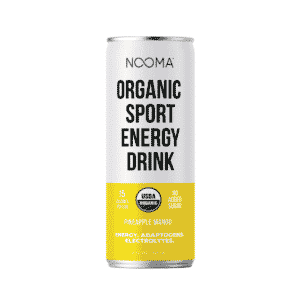
We’re giving Nooma our top pick because it’s one of the cleanest options I’ve seen and contains helpful organic herbal adaptogens (natural caffeine-free performance-enhancers and stress-relievers).
Why we like it:
- Contains a moderate amount of caffeine (120 mg) from organic green coffee bean extract, about the same as a large cup of coffee
- Reserve osmosis water
- Contains electrolytes for optimal hydration from natural sources, like coconut water, Himalayan pink salt, and lemon juice
- Contains a unique blend of organic adaptogenic herbs for natural energy and performance enhancement, plus nootropic (cognitive supportive) lion’s mane mushroom
- 15 calories per serving + 2 grams of sugar
- No artificial colors
- No artificial flavors
- No added sugar or corn syrup
- No artificial sweeteners
- Sweetened with stevia—not my favorite, but better than sugar or other artificial sweeteners
- No artificial preservatives
- No natural flavors
- Flavored with real organic fruit juices
- Vegan
- Non-GMO
- Gluten-free
- Five flavors
The price is higher than that of other energy drinks, about $3.08 per can, but still less than the average cost of coffee.
For the clean ingredients, I’d say it’s definitely worth the price.
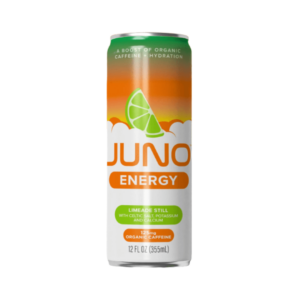
Juno Energy is our second pick for a healthier energy drink because it contains a moderate amount of caffeine from organic green coffee beans, uses mineral water, is very low in sugar, and has a nice flavor.
Why we like it:
- Contains 125 mg of caffeine from organic green coffee, about the same as a large cup of coffee
- Uses mineral water or purified water
- Contains electrolytes from Celtic sea salt, potassium bicarbonate, and calcium to promote optimal hydration and workout performance/recovery
- Uses purified water
- 5 calories per serving
- No artificial colors
- No artificial flavors
- No added sugar or corn syrup
- No artificial sweeteners
- Sweetened with monkfruit extract
- No artificial preservatives
- No natural flavors
- Flavored with real organic fruit juices
- Vegan
- Non-GMO
- Gluten-free
If you need a more affordable clean energy drink, this is a good one at about $2.25 per can.
Note: Potassium bicarbonate is an alkaline mineral added as an electrolyte, not a preservative like potassium sorbate.

This drink ties for second place and was co-founded by neuroscientist Dr. Andrew Huberman. Unlike other energy drinks, its caffeine comes from yerba mate, a traditional herb popular in South America that’s rich in nutrients, like iron and B-vitamins, plus caffeine and other beneficial plant compounds.
Why we like it:
- Contains a moderate amount of caffeine (120 mg) from organic, smokeless roasted Yerba Mate, about the same as a large cup of coffee
- Yerba mate naturally contains various vitamins, minerals, and healthful nutrients like theobromine for focus and attention
- Made with purified water
- No sugar
- No artificial sweeteners (sweetened with stevia, not my favorite, but better than others)
- 20 calories per serving
- No artificial colors
- No artificial flavors
- Naturally flavored with fruit juice extracts
- No added sugar or corn syrup
- No artificial sweeteners
- Sweetened with monkfruit extract
- No artificial preservatives
- No natural flavors
Note that this product is preserved with citric acid. This is a safer preservative than other synthetics, but some people choose to avoid it.
If you like yerba mate, this is a great option to try.
The price point is also fair for the quality of ingredients: $39.00 for a 12-pack, or $3.25 per serving.
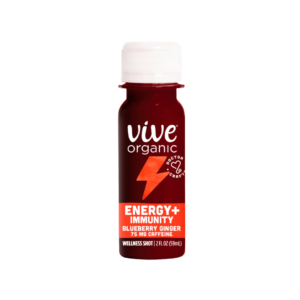
These are different than your classic energy drink, but probably the healthiest option if you want something less caffeinated.
Vive uses fresh, cold-pressed juices, adaptogenic herbs, and green tea extract in a refrigerated juice shot for a fun spin on traditional energy drinks.
Why we like it:
- It has less caffeine than traditional clean energy drinks
- Caffeine comes from green tea, which boasts impressive health benefits
- Naturally sweetened with natural, cold-pressed fruit juices
- Contains energy- and performance-supportive adaptogenic herbs
- Is fresher than canned drinks
- Does not come in a can! I know, a plastic bottle, but still, it’s less aluminum exposure
- 5 grams of sugar
- 30 calories per shot
- 100% USDA Certified Organic ingredients
- No artificial colors
- No artificial flavors
- No added sugar or corn syrup
- No artificial sweeteners
- No artificial preservatives
- No natural flavors
- Flavored with real organic fruit juices
- Vegan
- Non-GMO Project Verified
- Gluten-free
This is our top recommendation for a juice-based energy shot. I have nothing bad to say about the ingredients.
The price point is steeper, though; a 12-pack costs $46.99, which breaks down to $3.92 per shot. However, this is still very affordable for the quality of ingredients.
Healthy Energy Drink Alternatives
If this article has turned you off energy drinks, or you just want to take a break, here are some healthy and affordable alternatives.
- Green tea offers about 30-45 mg of caffeine per cup plus a wealth of healthful antioxidant compounds.
- Matcha (my current favorite) is a type of whole green tea extra-rich in beneficial antioxidants, with slightly more caffeine than traditional green tea.
- Clean coffee offers about 100 mg of caffeine per serving with no added ingredients.
- Learn how to choose the cleanest organic, mycotoxin-free brands in: A Coffee Lover’s Guide To The Cleanest Coffee (Organic & Mold-Free)
- Adaptogens like Tulsi, Rhodiola, Ginseng, Ashwagandha, Turmeric, and Shatavari help support a healthy stress response, increase energy, promote healthy sleep, reduce anxiety, and aid performance without caffeine or stimulants.
- Electrolyte Powders, like unflavored LMNT, can help promote hydration and energy during workouts.
- Clean Pre-workout supplements, like Ora, provide a modest amount of caffeine plus other nutrients to help potentially boost exercise performance before or after working out.
- Get our top picks for clean preworkout supplements in: The Best Clean Preworkout Supplement That’s All Natural.
- Truvani Protein + Energy contains a clean source of plant protein (12 grams) plus 87 mg of caffeine from coffee berry extract and adaptogens for a clean energy boost. Truvani is the brand of clean food activist, Vani Hari, who shares our passion for truly clean foods and brands, so I trust her products.
Weighing The Benefits Vs. The Risks of Energy Drinks
Energy drinks definitely have some benefits for energy, exercise performance, and, for some people, focus. However, excess consumption of energy drinks is very risky, especially if practiced regularly and long-term.
Choosing clean energy drinks with moderate amounts of caffeine, like those discussed previously, can help balance out the risks and benefits. However, even these can create problems if consumed in excess.
Plus, if you need an energy drink to get through a day or a workout, you could benefit from some lifestyle adjustments, such as getting more sleep, improving your diet and blood sugar balance, reducing stress, a more balanced exercise routine (more isn’t always better), and reducing toxin exposure at home.
It can also be helpful to work with an integrative health practitioner to pinpoint causal factors like nutrient imbalances, adrenal fatigue (aka HPA axis dysfunction), thyroid health issues, hormonal imbalances, and other hidden factors.
FREE Download:
Beginner's Guide to Holistic Health
Get 16 actionable tips to start making healthy, non-toxic swaps. Enter your name and email below.
Do you drink energy drinks?
Let me know your thoughts and key takeaways in the comments below!
xoxo,

Want to read more? Check out our other articles here!
Other references on Healthy Energy Drinks from: FDA, NIH: PMID: 35406109, PMID: 38423749, PMID: 39584955, PMID: 39058118, PMID: 38288206 ,PMID: 35889898, PMID: 37764707 , BBC, People, MSN, ResearchGate, ScienceDirect: The impact of sugar consumption on stress driven, emotional and addictive behaviors, ScienceDirect: Flavoring and Coloring Agents: Health Risks and Potential Problems , Heart, Cancer.Gov, Public Health Berkeley, EFSA
Copyright In On Around LLC 2025 ©. The statements made on this website have not been evaluated by the FDA (U.S. Food & Drug Administration). They are not intended to diagnose, treat, cure, or prevent any disease. The information provided by this website should not be used as individual medical advice and you should always consult your doctor for individual recommendations and treatment. The information contained in this site is provided on an “as is” basis. Related to this site, there are no guarantees of completeness, accuracy, usefulness, or timeliness. In On Around LLC assumes no responsibility or liability for any errors or omissions in the content of this site.
Frequently Asked Questions – Healthy Energy Drinks
Click on the below FAQs to learn more about: Healthy Energy Drinks
Most healthier energy drinks use natural sources of caffeine (like green tea or yerba mate) and avoid high amounts of added sugar or artificial sweeteners. They can be safe in moderation, but they may still cause jitters, sleep disruption, or rapid heart rate if consumed in excess—especially during pregnancy, for teens, or for those with heart issues.
For most healthy adults, up to 400 mg of caffeine per day is considered safe. Many “healthy” energy drinks contain 80–150 mg per serving (similar to a cup of coffee). Always check the label since some contain multiple servings per can.
Look for:
- Natural caffeine sources (green tea, coffee beans, yerba mate)
- Electrolytes (coconut water, magnesium, potassium) for hydration
- B vitamins for energy metabolism
- Minimal sugar or artificial sweeteners
No. Even the healthiest energy drinks only provide a temporary boost. They cannot replace adequate sleep, hydration, whole foods, and exercise—all of which are the real foundation for long-term energy.