
Menstrual cramps are a monthly and painful occurrence for millions, ranging from annoying to debilitating. This presents a challenge for anyone, especially health-conscious women who want to minimize or avoid over-the-counter pain medications.
As a woman and busy entrepreneur, I have no judgment against anyone who uses OTC pain meds. For many women, cramping can be severe, and sometimes you need fast, reliable relief. However, as a health- and toxin-conscious person, I also know the health risks of relying on pain pills month after month.
This has led me on a mission to research and test various supplements and herbs for menstrual cramps, which I’m excited to share with you today! We’ll also touch on the root causes of menstrual cramps and explore natural solutions to help ease and prevent period pain.
Note: This article contains affiliate links, meaning In On Around will make a small commission at no additional cost to you. This helps us maintain the site. As always, we value full transparency & only work with brands we love and trust.
Author: In On Around Founder & CEO, Catherine Power.
- Published On:
- Updated On: September 29, 2026
Summary:
- Over-the-counter pain pills may work for menstrual cramps, but they’re riskier than most people realize
- Fortunately, various herbs and supplements are potentially effective for preventing and stopping menstrual cramps, with a very minimal risk (if any)
- This article covers the benefits of ginger, chamomile, boswellia, red light therapy, and other natural solutions for cramps that truly work + tips on addressing the root cause
Table of Contents
What Causes Menstrual Cramps?
Until recently, menstrual cramps were treated as something to be hidden, endured, ignored, or just treated as “normal” or “all in one’s head”.
Thankfully, times have changed, and we now know that painful periods are the body’s way of telling us something is not right.
Unfortunately, progress on identifying the root cause of menstrual cramps, as well as treatment, is still limited, but we are making gains, especially in integrative functional medicine circles.
Although everyone is different, here are some recognized causes of menstrual cramps: (1, 2, 3)
- Hormone imbalances
- Endometriosis
- Stress
- PCOS (polycystic ovarian syndrome)
- Uterine fibroids
- Pelvic inflammatory disease
- Adenomyosis, where your uterine tissue starts growing outside the uterus into the muscle
- Decidual casting, though rare, in some cases, the uterine lining will shed in one piece, versus a steady flow, causing severe cramping.
Naturopaths, herbalists, and other integrative functional medicine doctors and practitioners have also observed that factors such as liver congestion, poor diet, nutrient deficiencies, chronic stress, body burden, thyroid issues, and lack of sleep and movement can cause or contribute to period pain and its intensity.
Ultimately, while we’re much closer to identifying the root causes of period pain, everyone is different, and there’s still a lot to learn.

An Honest Look at the Risks and Benefits of OTC Pain Pills for Period Pain
As mentioned previously, I am not against taking pain pills when needed. Nor am I interested in shaming anyone who uses them. There’s far too much of that going on right now, and that’s not what we’re about at In On Around.
However, the truth is that most people don’t realize the actual risks of using OTC pain pills.
For example, studies have shown NSAIDs (ibuprofen, Advil, aspirin) can significantly increase your risk of a heart attack. (4)
The fascinating thing is that the most significant risk occurs within the first few days of taking them, suggesting that short-term use is not less risky than long-term use.
NSAIDs also carry warnings about liver toxicity, digestive damage, internal bleeding, respiratory damage, and kidney damage, which are rarely discussed in doctors’ offices or advertisements. (5, 6)
Acetaminophen, often touted as a safer alternative, also has its share of risk factors, including liver damage, digestive damage, kidney damage/chronic kidney disease, heart attack, internal bleeding, and a demonstrated (though not definitive) link to neurodevelopmental issues, especially in unborn babies. (7, 8)
When it comes to any medication, one must weigh the benefits versus the risks and make an informed choice.
This is even more critical if you’re relying on these drugs regularly, like once a month or more, for menstrual cramps. Once I truly understood the risks, I decided they outweighed the benefits for period pain, and started searching for alternatives.
7 Truly Helpful Supplements & Herbs for Menstrual Cramps
Natural substances don’t behave like drugs, so there is no one-size-fits-all solution for menstrual cramps.
However, research and anecdotal evidence (including our personal experiments) suggest these herbs and supplements can really help relieve pain while offering other menstrual health benefits.
As always, talk to your healthcare practitioner before taking new supplements, as some may interact with medications or be contraindicated for specific conditions.

This is my #1 favorite solution for easing menstrual cramps and supporting overall reproductive health. For centuries, midwives, wise women, and herbalists have recommended raspberry leaf tea and tinctures as a uterine tonic and nutritional supplement, especially during pregnancy*.
Raspberry leaves are rich in various active plant compounds and nutrients, such as flavanols, which studies suggest may help tone and relax the uterine muscles, easing cramping while reducing inflammation. (9, 10)
They’re also a source of various nutrients, such as iron, magnesium, and B vitamins, which many women lack.
Red raspberry leaf tea is widely available as a stand-alone product and in pregnancy and female formulas. It tastes a lot like black tea, making it a great decaf tea alternative.
I’ve also found it works best when I drink it regularly, like daily if I can remember, but definitely regularly a week or two before my period, which is what most herbalists and natural health practitioners recommend for optimal benefits.
It’s also super helpful to drink the day you get your period, or whatever day you experience cramping, to relieve pain naturally.
My go-to brand is Earth Mama Organic Red Raspberry Leaf Tea.
*Although red raspberry leaf tea is generally considered safe and beneficial during pregnancy, talk to your prenatal provider before taking it if you are pregnant.
Ginger is another powerful yet underappreciated natural pain reliever for menstrual cramps, muscle aches, and more. Various studies, including randomized placebo trials, have demonstrated that its active plant compounds, known as gingerols, have anti-inflammatory properties that can help ease cramping. (11, 12)
Ginger has also been used traditionally as a natural blood thinner, and may be helpful for those with cramping resulting from thick menstrual flow or clots. It also has other benefits for menstrual-related ailments, including headaches, nausea, and dips in immunity.
The great thing about ginger is that it’s widely available and super affordable. You can literally grab some fresh from your local grocery store, grate it, and make a soothing tea with 1-3 tablespoons of fresh ginger, lemon, and honey.
If you find this too spicy, there are ginger capsules, tinctures, premade teas, and ginger candies, which are a nice treat.
Many women also swear by using hot ginger water compresses directly on the uterus, either alone or alternated with cool compresses, to stop cramps in their tracks!
How To Make a Ginger Water Compress for Cramps
If you’re new to this, always do a small patch test on your skin to check for irritation or allergies. It is normal for the skin to turn red and heat up, but it shouldn’t be painful.
- Chop up about one-third to half a cup of fresh ginger
- Infuse it for 10-15 minutes in a quart of boiling water, like you’re making a massive vat of tea
- Cool until very warm but manageable (add cold water or ice cubes if needed)
- Dip a clean hand towel into the ginger water, wring it out, and apply it directly to the uterine area of your navel
- Relax and let it sit until it starts to cool, then repeat, alternating with cool water, until cramping eases
If the fresh ginger is too intense, try using ginger tea bags instead. Since ginger may have blood-thinning properties, always check with your doctor if you’re on blood-thinning medication or have a heart condition.

3: Chamomile
Chamomile is so common in teas that its medicinal properties are often overlooked.
However, studies suggest chamomile tea, tinctures, and essential oils can be a girl’s best friend for relieving menstrual cramps, PMS, and other annoying period symptoms due to their potential antispasmodic, anti-inflammatory, and calming properties.
One study even found chamomile was more effective than NSAIDs for relieving menstrual cramps and more effective than fennel for abdominal and pelvic floor pain and emotional well-being! (13)
Chamomile tea is a tasty and convenient way to get a daily dose of chamomile and is soothing when you have cramps.
If you feel you need a stronger dose, look for chamomile tinctures, capsules, and essential oils, which can be diffused or used in uterine compresses.


Magnesium, also known as the anti-stress mineral, has become a favorite among health-conscious people and integrative practitioners for reducing stress, supporting sleep, and easing aches and pains – including period pain.
Although more research is needed to understand exactly how magnesium works on cramps, we do know it plays an essential role in muscle relaxation, hormonal function, stress response, and nervous system function, all of which are involved in menstruation.
Some research also suggests it can help with menstrual cramps as well as other PMS symptoms such as headaches and mood swings. (14)
There are several ways to use magnesium for menstrual cramps, including:
-
- Eating more magnesium-rich foods: Including dark leafy greens, beans, legumes, mangoes, and dark chocolate (in moderation, but heck yeah!)
- Taking a magnesium supplement: My favorite is magnesium glycinate, a bioavailable form that’s ultra-gentle on the stomach
- Take an Epsom salt bath: Add 2 cups of Epsom salts or magnesium bath salts to a hot bath to ease cramping fast
- Try magnesium oil, lotion, or spray: Magnesium can also be absorbed through the skin. Rub these directly on the uterine area while you have cramps, or use them on the legs, feet, or abdomen daily to naturally increase magnesium levels
For best results, take or apply magnesium daily, versus just when you have cramps.
Related reading: 30 Ways to Manage Anxiety Naturally – Herbs, Supplements + Tips Read more


Turmeric is one of the most-studied plants on earth, and has potent anti-inflammatory effects.
Several studies suggest it can help with various types of pain management, including menstrual cramps, muscle pain, headaches, and more. (15, 16)
The only caveat is that Turmeric’s active compounds, such as curcumin, are poorly absorbed when taken in foods.
Absorption can be enhanced by taking turmeric with black pepper and a healthy fat.
High-quality, sustainably sourced, organic turmeric supplements are also a great choice because they are formulated with these ingredients and typically guarantee a specific percentage of curcumin, which has specific pain-relief benefits.
Trusted brands of Turmeric supplements include:
- Gaia Herbs Turmeric
- Ora You’re Golden Turmeric Curcumin
- Truvani Turmeric Curcumin
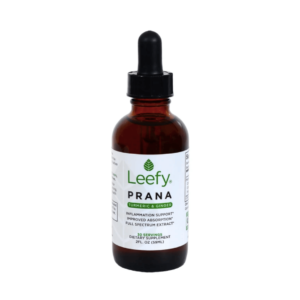
- Leefy Turmeric Ginger
Golden Milk, also known as turmeric milk, is another excellent way to take turmeric for menstrual cramps, as it contains healthy fat from milk, plant milk, coconut oil, or ghee, black pepper, as well as other herbs shown to help with cramps and PMS, such as cinnamon, cardamom, and ginger.
My favorite Golden Milk mix comes from Further Food.
Although turmeric can definitely help stop pain once it’s started, research and anecdotal evidence suggest it works best when taken several days to a week before your period. So start early for best results.
6: Boswellia (Frankincense)
Boswellia is another lesser-known plant-based supplement for menstrual cramps and general pain management.
Also known as Indian Frankincense, or frankincense, this gummy tree resin has been cherished for centuries to help alleviate pain and address other inflammatory conditions.
Research supports its traditional use for pain and inflammation—including cramping, and can work even better when combined with turmeric. (17, 18, 19, 20)
Boswellia supplements and frankincense essential oil are widely available.
However, due to overharvesting and adulteration, it is essential to source from reputable companies employing sustainable harvesting and sourcing practices.
Gaia Herbs has boswellia in their Turmeric Joint Health formula, which is also excellent for menstrual cramps, and Pure Encapsulations offers boswellia supplements.
Like turmeric, boswellia can help stop pain once it starts, but may be even more effective when taken a few days before your period.
7: Crampbark
As the name suggests, crampbark (Viburnum opulus) has long been used in traditional herbalism to help ease menstrual cramps and PMS.
General recommendations are one to several cups of crampbark tea at the onset of cramping, and/or several days before the start of menstruation.
Although research is limited, it is believed crampbark’s active plant compound, methyl salicylate, has antispasmodic and anti-inflammatory effects. (21, 22)
Another small study from the University of Johannesburg found homeopathic crampbark (a highly diluted version) helped ease menstrual cramping. (23)
FREE Download:
Beginner's Guide to Holistic Health
Get 16 actionable tips to start making healthy, non-toxic swaps. Enter your name and email below.
Other Health & Lifestyle Practices to Prevent Menstrual Cramps
Herbs and supplements can be amazing allies for preventing and easing menstrual cramps, but lifestyle changes and other natural therapies can also be a huge help.
Some other practices to consider include:
Removing Hidden Endocrine Disrupting Chemicals (EDCs)
These synthetic chemicals wreak havoc on hormonal function and can make it impossible to achieve balance.
Some common household EDCs include phthalates, plastic chemicals, fragrance, and parabens. Fortunately, these can be easily reduced or eliminated by switching to non-toxic cleaning, personal care, skin care, cosmetics, and other household products, as well as avoiding plastics.
See How to Switch to Natural and Non-Toxic Products: A Beginner’s Guide for more information.
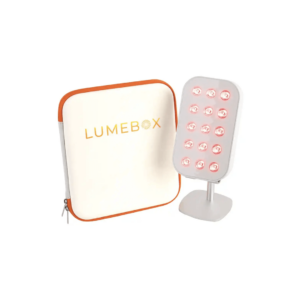
$260+ Discount with LumeBox Link
I have become such a fan of red light therapy for skin health, stress management, and pain relief, including cramps.
Studies have shown red light works by helping relax uterine muscles, improving blood flow, and reducing inflammation. (24, 25)
It works as a stand-alone treatment or combined with other herbs or home remedies for menstrual cramps, such as heat therapy.
To use, apply a red light device directly to the uterine area, relax, and let it do its work.
Stop Using Toxic Period Products!
It is so unbelievable that the very feminine care products we use to care for ourselves during menstruation can also contain endocrine-disrupting and even cancer-causing chemicals, like PFAS (forever chemicals), plastics, and chlorine bleach.
Instead, opt for EDC-free period products, including:
- 100% organic cotton tampons
- Natural rubber menstrual cups (we’re not big fans of silicone due to the siloxane issue)
- Organic and natural reusable or disposable pads
- And PFAS-free period undies, like Bambody
See our Top Guide To Non-Toxic Period Products for more information and brand recommendations.
Hot/Cold Therapy
We mentioned this early in the section on ginger, but it can work so well it bears repeating.
Hot and cold therapies, such as using hot and cold packs or hot and cold hydrotherapy, work by constricting and dilating blood vessels, which can help ease cramping and improve menstrual flow.
It’s also great for other types of pain, including headaches and muscle pain. For period pain, alternating between a hot water bottle or heat pad and an ice pack several times is often enough to ease the pain.
You can also incorporate essential oils, ginger water, or other herbs to enhance its effects.
Try Acupuncture
Acupuncture can be extremely helpful for relieving and preventing menstrual cramps, as well as addressing root causes.
Research has demonstrated its efficacy, and when combined with a custom herbal protocol, it can be a game-changer. (26)
Acupuncture can help during your period, but is most commonly used throughout the month as a preventative.
It can take a few sessions, but the results can be dramatic, especially if you’re also taking Chinese herbs.
Exercise
Let’s be real, no one wants to exercise when they’re cramping! The good news is, you don’t have to, but you should exercise regularly.
Several studies have shown that regular exercise can help reduce menstrual cramping, PMS, and other period-related symptoms. (27, 28, 29)
Exercise provides so many benefits, including supporting hormonal health, sleep, a healthy body weight, metabolic function, mood, and heart health, many of which have downstream effects on menstruation.
What type is best? That is yet to be determined.
However, one study found that relaxation-based exercises relieved menstrual cramps 4 weeks faster than other types, though all types of exercise reduced pain within 8 weeks; more research is needed.
Regardless, aim for at least 30 minutes of exercise per day, 5-6 days per week.
And Remember, There’s No Shame in Getting Help
In closing, I want to remind everyone that periods shouldn’t be painful, especially all the time.
If you’re experiencing regular period pain, you deserve answers, even if you’ve been dismissed by or remain a mystery to other doctors or healthcare practitioners.
Definitely use these herbs and supplements for pain relief, but don’t give up on addressing the root cause.
I’d also compassionately suggest, as someone who’s been through this myself, not accepting a prescription for birth control pills as a long-term solution, because it’s not.
There are answers out there, so use this information as a springboard to keep searching, try a different approach, get more tests, get rid of endocrine-disrupting toxins, clean up your diet, and know you will get to the bottom of it!
What are your favorite supplements and herbs for menstrual cramps?
Let me know your thoughts and key takeaways in the comments below!
xoxo,

Want to read more? Check out our other articles here!
Other references on supplements and herbs for menstrual cramps from: NIH, Cleveland Clinic, Mayo Clinic, BMJ, Wiley, IJWHR, Sage Pub, Science Direct, UJ Content, Green Journal, BMC
Copyright In On Around LLC 2025 ©. The statements made on this website have not been evaluated by the FDA (U.S. Food & Drug Administration). They are not intended to diagnose, treat, cure, or prevent any disease. The information provided by this website should not be used as individual medical advice and you should always consult your doctor for individual recommendations and treatment. The information contained in this site is provided on an “as is” basis. Related to this site, there are no guarantees of completeness, accuracy, usefulness, or timeliness. In On Around LLC assumes no responsibility or liability for any errors or omissions in the content of this site.
Frequently Asked Questions – Menstrual Cramp Relief
Click on the below FAQs to learn more about herbs for menstrual cramps, supplements for menstrual pain, and the best premenstrual supplements for easing period discomfort naturally.
Herbs like red raspberry leaf, ginger, chamomile, turmeric, and crampbark have been traditionally used to ease menstrual cramps by relaxing uterine muscles and lowering inflammation. Many women find them helpful as a natural alternative to OTC pain relievers.
Most supplements commonly used for menstrual cramps, such as magnesium, turmeric, and boswellia, are considered safe for monthly use when taken as directed. However, it’s important to speak with a healthcare provider if you take medications, have a chronic condition, or are pregnant.
Herbs for menstrual pain typically come from whole plants (like teas, tinctures, or capsules), while supplements for cramps often contain concentrated nutrients or extracts such as magnesium or curcumin. Both can support period comfort, but herbs tend to provide more holistic benefits, and supplements can offer targeted relief.
Many premenstrual supplements work best when started 1–2 weeks before your period, giving your body time to build nutrient stores and regulate inflammation. Starting early may help reduce the severity of cramps once your cycle begins.