So you’ve decided to make the switch to organic coffee (bravo!). You get excited, get recommendations from friends, and start researching the best brands, only to discover that coffee, even organic coffee, has a mold problem.
Is nothing in this world sacred?! And why does switching to a healthy lifestyle have to be so complicated? Before you throw up your hands and give up on organics, take a breath and know we’ve got you covered. Yes, toxins in coffee, even organic brands, is a thing…and that sucks.
However, there are now loads of organic brands that are intentionally grown, processed, and tested for these toxins. Which means you can have your organic coffee and avoid the toxins, too.
Note: This article contains affiliate links, meaning In On Around will make a small commission at no additional cost to you. This helps us maintain the site. As always, we value full transparency & only work with brands we love and trust.
Author: In On Around Founder & CEO, Catherine Power.
- Published On:
- Updated On: March 2, 2026
Summary:
- Switching to organic coffee is an excellent upgrade; however, there are other contaminants to consider.
- Coffee, even organic brands, may contain mold, mycotoxins, heavy metals, and other contaminants from growing, storage, and processing.
- The cleanest coffee comes from organic beans that are tested for pesticides, herbicides, fungicides, mold, mycotoxins, heavy metals, and more.
- Best Brand: Purity Coffee (20% Off Code: inonaround)
Table of Contents
Why Buying Organic Coffee Is A Must (And May Be Enough)
If you’re researching the cleanest coffee, you probably know that coffee has a pesticide problem.
The problem stems from the ever-increasing demand for coffee, which has led to mass production (intensive monocropping), which nearly always leads to the need for more and more pesticides to outsmart adaptive bugs, pests, weeds, and fungi.
In addition, most coffee is grown internationally in African, Asian, and South or Central American countries that may still use pesticides banned in the United States and Europe. [1]
These countries may not have upper limits on the amount of pesticide residue allowed on their crops.
That’s not to say that all coffee grown outside the United States and Europe is contaminated with pesticide residue, as most organic coffee plantations are located in these regions, and not all US-grown coffee is organic.
However, it is something to be aware of in your quest for a healthier brew.
These pesticides can have subtle to devastating effects on health over time, as most of them are neurotoxic (attack the nervous system), bioaccumulative (don’t break down and excrete quickly), and endocrine-(hormone) disruptive. [2, 3]
This may not be a big deal if you only drink coffee occasionally and eat organic most of the time, but for most people, coffee is an everyday thing, so buying organic is a must!
Is Buying Organic Enough? Other Toxins In Coffee
Issues with pesticide residue have long dominated the debate over organic versus conventional coffee.
But now there are new coffee toxins on the block, most notably mold, mycotoxins, heavy metals, and carcinogenic by-products of roasting (lovely!).
Here’s the Scoop On Mold In Coffee
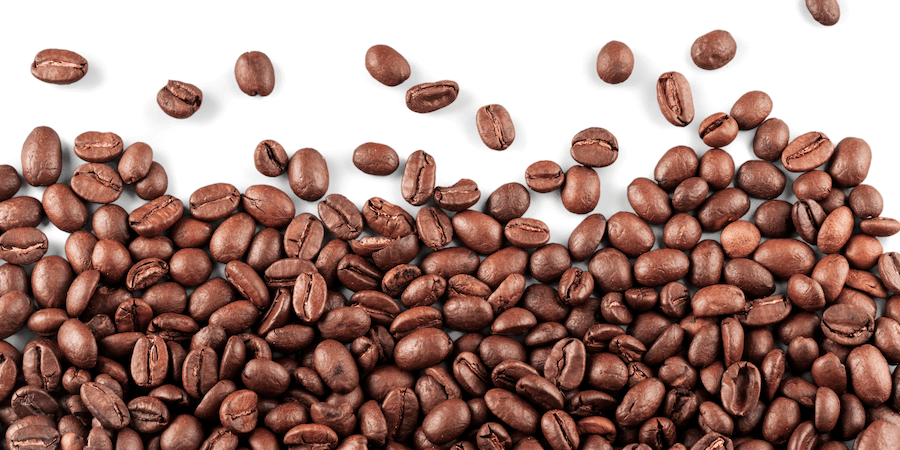
Mold and mycotoxins (toxins produced by mold) have been dominating the conversation lately, as they can cause or contribute to many chronic conditions, including mystery symptoms, mental illness, and autoimmunity.
Coffee can become contaminated with mold and mycotoxins due to how and where it’s grown, as well as moisture issues resulting from improper storage.
So, organic beans are just as susceptible as conventional if not stored properly.
In fact, one study showed that nearly 92% of green coffee beans were contaminated with mold (ick). [4]
This isn’t just a coffee issue either; dried fruits, cheese, and grains are also subject to mold and mycotoxin contamination.
The biggest mycotoxins of concern in coffee are Ochratoxin A and Aflatoxin B1.
Heavy Metals In Coffee
Coffee from various regions, organic and conventional, has also tested high for heavy metals like lead and cadmium.
This could be from various sources, including heavy metal-based pesticides (yep, that’s a thing), pollution, machinery, the soil (some heavy metals are naturally occurring), water used for irrigation, and even where the coffee is stored.
Like mold, heavy metals are an issue in various foods, including root vegetables, fruits, grains, fish, and seafood.
Acrylamide In Coffee
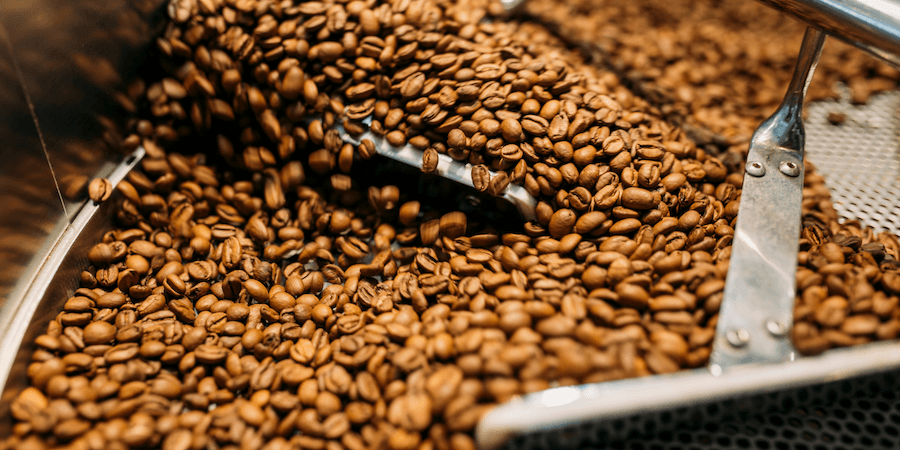
Acrylamide is a compound formed in coffee beans during the roasting process. It’s also what gives coffee that signature roasty flavor. [5]
The problem is that acrylamide is a probable human carcinogen (cancer-causing substance) and neurotoxin.
High-heat roasting increases acrylamide content while lower temperature roasting creates less.
One study also found that fresh-roasted coffee had 100% less acrylamide than instant coffee, and coffee substitutes had 300% more acrylamide than fresh-roasted. [6]
What’s more, acrylamide is found in nearly every roasted, baked, or cooked food at varying concentrations, so it’s been in our food for a long time.
That’s not to say you shouldn’t try to look for lower-acrylamide-containing coffee, just that perspective is everything.
Many clean coffee brands use a smokeless roaster and roast on lower temperatures, which helps reduce acrylamide content.

So, Is Buying Organic Coffee Enough? Sometimes It Is!
There’s an unsettling trend in the health- and toxin-conscious space where experts or influencers insist that if you can’t buy the cleanest (and most expensive) foods, beverages, and products they deem worthy, then you’re not really committed and might as well just give up.
I’m not down with that. Not one bit.
Regarding coffee, the truth is that organic coffee is always cleaner than conventional by a long shot.
By switching to organic, you’re already significantly reducing your pesticide exposure and helping to alleviate the other harms of pesticides on growers, wildlife, waterways, and rural communities.
Whether to take it a step further and choose the cleanest organic coffee depends on several factors, including:
- Your budget (clean, tested coffee costs a lot more)
- How much coffee you drink
- How much faith you have in a coffee company’s testing methods and upper limits for toxins
- If you have a health condition that may be exacerbated by other toxins in coffee, like mold or mycotoxins
Bottom line: In a perfect world, we would all buy the cleanest coffee. However, if that’s not in the cards for you, know organic is a very high-quality next-best (and be proud of that choice).
Your Criterion For Choosing the Cleanest Coffee
If you’re interested in taking it a step beyond organic, here’s what we recommend as a criterion for choosing the cleanest coffee.
Note that even if you’re only interested in going organic, some of these points will help you choose a safer brand.
- Look for organic, keeping in mind that some small, organic brands may be using organic beans but not labeling them as such.
- Most coffee is grown on small farms of less than five acres, and organic certification is expensive. If you have a local or small coffee shop favorite, ask the company about their growing and sourcing practices.
- Opt for whole bean: Ground coffee is exposed to moisture and oxidation, and may therefore be more prone to mold and mycotoxins.
- Forget about coffee pods: Organic or not, they’re a known source of microplastics and endocrine-disruptive plastic chemicals like BPA, BPB, and phthalates.
- Look for independent testing and transparency: The only way to know what’s in coffee beans is to test them for specific toxins. The best way to ensure honest testing is for coffee companies to use an independent, third-party lab and publish the results publicly.
- Note: some of the brands we’ll recommend publish their results publicly, while others will share them if you ask. Both are acceptable forms of transparency.
- Look for single-origin coffee: This helps ensure your coffee comes from one place, ideally an organic farm that adheres to strict organic growing and quality practices.
- Consider shade-grown coffee: Shade-grown coffee creates a more natural growing environment in harmony with nature, requiring less (if any) pesticides.
- Nitrogen flushed packaging helps displace oxygen, reducing the chance for spoilage and mold growth.
- Look for Arabica beans: In most cases (but not all), Arabica beans (versus Robusta) are less susceptible to mycotoxins.
- Beans grown at high altitudes are less susceptible to humidity and mold.
- Swiss water process for decaf: Decaffeinating coffee is done using harsh chemical solvents or water, such as the Swiss water process. Opt for that.
Now that you know the criterion, let’s get into ten of the best and cleanest coffee brands.
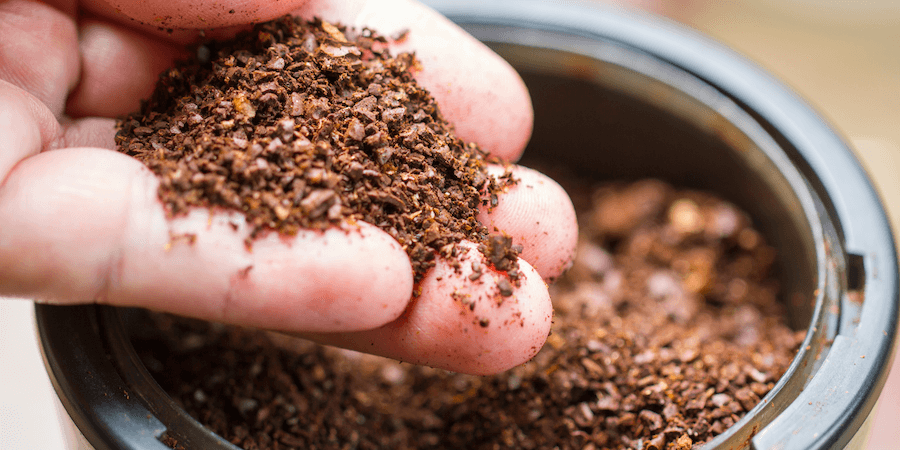
5 Of The Cleanest Coffee Brands (Organic, Mold-Free, Transparent)
The clean coffee industry has really exploded in the last five years.
However, some companies make numerous claims about their quality and testing procedures without providing transparent lab results publicly (either on their websites or upon request) to substantiate those claims.
This is why our list is smaller than others; these are the five cleanest and most transparent.
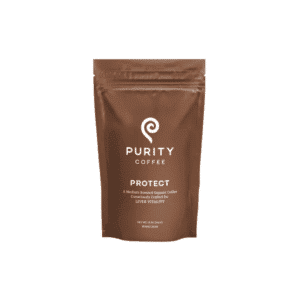
We’ve had a long-standing love for Purity Coffee, as they were one of the first to blow the whistle on contaminants in coffee and offer a safer choice.
Their website offers a wealth of information on coffee, contaminants, and growing practices, and they do extensive testing.
Why We Love It:
- 100% USDA certified organic
- Extensively tested for contaminants (mold, mildew, pesticides, mycotoxins, heavy metals, etc.) as well as antioxidant content
- Sourced from sustainable farms that use regenerative growing practices
- Rainforest Alliance Certified
- Nitrogen-flushed packaging
- Swiss Water Process Decaf
- A wide variety of roasts and grinds
- Some roasts are Demeter biodynamic certified (a step beyond organic and regenerative)
- Coffee is roasted in a smokeless roaster, which helps reduce acrylamide content
- Their roasting process optimizes the levels of antioxidants, bioactive compounds, and micronutrients
- Third-party testing results are available on their website
- Certified B-Corp
Use code INONAROUND for 15% off!
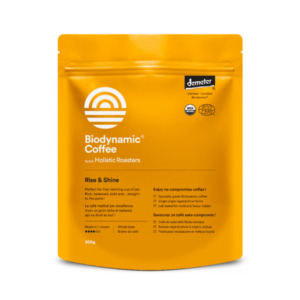
This company is pretty amazing. They source from regenerative organic farms that take it a step further by applying biodynamic agriculture practices.
Biodynamic farming was created by Rudolf Steiner (the founder of Waldorf education) as a holistic way to farm by honoring the seasonal and cosmic cycles of plants and animals in an integrated, chemical-free agricultural system.
There’s a lot more to it, but that’s a quick overview – it’s organics plus so much more.
Why we love it:
- 100% Organic Eco-Certified
- Biodynamically farmed beans promote biodiversity and produce excellent flavor
- Ethically sourced from single-estate, family-owned farms
- They support regenerative growing practices
- Specialty-grade, tested by the Specialty Coffee Association of America
- Shade-grown
- Tested for mold, mycotoxins, heavy metals, and other contaminants
- Lab testing results are available on their website (here) and are updated regularly
- Coffee typically ships within one week of the roast date, which is listed on the bag
- Affordable subscriptions and bulk-buying (up to 20% discount on multiple pounds and subscriptions)
- Swiss Water Process decaf
- 100% compostable bags

A chiropractor and nutrition expert founded this brand, and their quality standards reflect his commitment to health.
Why we love it:
- Main roasts are certified organic
- Third-party tested for over 400 contaminants, including mold, mycotoxins, heavy metals, bacteria, pesticides, & more
- Lab results available upon request
- Single-origin, Arabica beans
- Shade-grown at high altitudes
- Low acid and gentle on the stomach
- Sun-dried
- Washed with spring water
- Sourced from small farms
- Roasted fresh in small batches
- Smokeless roaster
- Subscribers can save up to 48%
- A portion of profits donated to rainforesttrust.org
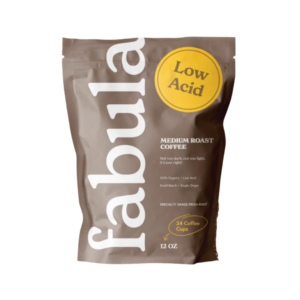
We were super excited to come across this widely available brand (on Amazon) that checks most of the ideal boxes.
Why we love it:
- 100% USDA Certified Organic
- Independently lab-test every batch for 350+ contaminants
- Note: Although they do not share their results on their website, they will send them to you upon request. Email: [email protected]
- They quickly returned my email and sent over an extremely extensive recent COA with 26 pages of results. Very transparent!
- Single origin
- Offer a mold-free guarantee
- Low acid, so good for sensitive stomachs
- A wide variety of roasts and grinds
- Made with Arabica beans
- Small batch
- Shade-grown
- They roast and ship three times a week, so the coffee is extra fresh and flavorful
- Swiss Water Process decaf
- Affordable subscriptions (20-30% off when you subscribe or buy more than one bag)
- They also offer lab-tested teas, which we’ll have to rate in another article
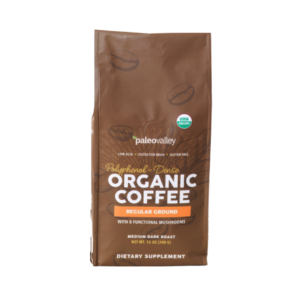
Paleo Valley has a lot of excellent products, including clean coffee with functional mushroom extracts.
If you’re into mushroom coffee blends, this is our top pick for you.
Why we love it:
- 100% certified organic from sustainable farms
- Single-origin Arabica beans
- Low acid
- More affordable than other brands, especially with a subscription
- Blended with eight functional mushrooms and coffee fruit extract (a potent source of antioxidants)
- Roasted in the USA using solar power
- Tested for pesticides, mold, and mycotoxins
- Lab results available by request
- Swiss Water Process Decaf
And Don’t Forget The Non-Toxic Coffee Maker!
The cleanest coffee deserves the cleanest coffee maker that won’t leach microplastics, plasticizers, heavy metals, PFASs, or other harmful chemicals into your brew.
We have a whole article on this topic here (The Best Non-Toxic Coffee Makers). Here are some top recommendations:
- Pour-over coffee makers (100% free from plastics and metals) with unbleached filters or reusable coffee sock and non-toxic tea kettle for boiling water
- Glass French presses with stainless steel plunger
If you’re new to pour-overs, know they’re affordable and super easy to use.
All you need is a filter or reusable coffee sock, your preferred clean coffee, and boiling water. Pour the water over the coffee slowly (going too fast will make the coffee taste weak) and let it drip. Pour into your mug and enjoy.
French presses are a safe choice as well, just make sure you choose one that’s made of glass with a 100% stainless steel plunger, like this one from Cafe Du Chateau.
FREE Download:
Beginner's Guide to Holistic Health
Get 16 actionable tips to start making healthy, non-toxic swaps. Enter your name and email below.
Final Thoughts: What Do You Think? Would You Spend Extra For The Cleanest Organic Coffee?
While I’m more of a tea gal, if you’re drinking coffee, it should be the cleanest coffee possible. Just like I avoid the Dirty Dozen, the same goes for coffee as it’s one of the most sprayed crops in the world.
I’m also really careful about mold and mycotoxins due to my past health issues, so that’s a motivator for me as well.
All that said, I’m really more of a matcha gal these days (my coffee-loving team helped me rate and taste-test all of these), so if I were drinking coffee multiple times a day, I would opt for some ultra-clean and some just organic purely from a cost perspective.
What about you? Would you spend extra for organic, rigorously tested, shade-grown, single-origin, low-acid, sustainable coffee…or not? Tell us about it in the comments below.
And, if you’re a tea person, like me, (or thinking of switching to tea after reading this!) check out our top picks for matcha and green tea in:
What’s your favorite coffee brand?
Let me know your thoughts and key takeaways in the comments below!
xoxo,

Want to read more? Check out our other articles here!
Other references on Organic Coffee from: University of Copenhagen Faculty of Science: Unsustainable coffee production is making more and more people sick, NIH: PMID: 36424972, PMID: 24325083, PMID: 14726276
Copyright In On Around LLC 2024 ©. The statements made on this website have not been evaluated by the FDA (U.S. Food & Drug Administration). They are not intended to diagnose, treat, cure, or prevent any disease. The information provided by this website should not be used as individual medical advice and you should always consult your doctor for individual recommendations and treatment. The information contained in this site is provided on an “as is” basis. Related to this site, there are no guarantees of completeness, accuracy, usefulness, or timeliness. In On Around LLC assumes no responsibility or liability for any errors or omissions in the content of this site.
Frequently Asked Questions – Cleanest Coffee
Click on the below FAQs to learn more about: best organic coffee, mold in coffee, heavy metals in coffee, and more.
“Clean coffee” refers to coffee that is:
- Grown without harmful pesticides (often organic or regenerative)
- Free from mold and mycotoxins
- Minimally processed and third-party tested
- Often ethically sourced and fair-trade
Look for:
- Organic certification
- Mycotoxin-free or mold-free testing (third-party lab tested)
- Transparent sourcing and roasting practices
- Certifications like USDA Organic, Fair Trade, Rainforest Alliance, or Regenerative Organic
Typically, yes — clean coffee is often more expensive due to:
- Higher quality beans
- Ethical and sustainable sourcing
- Organic farming methods
- Lab testing for toxins
However, many consumers feel the health and taste benefits are worth the price.
Yes — many clean coffee brands use high-quality, specialty-grade beans, which can result in smoother, richer, and less bitter flavor profiles. Low-acid options are also easier on sensitive stomachs.