
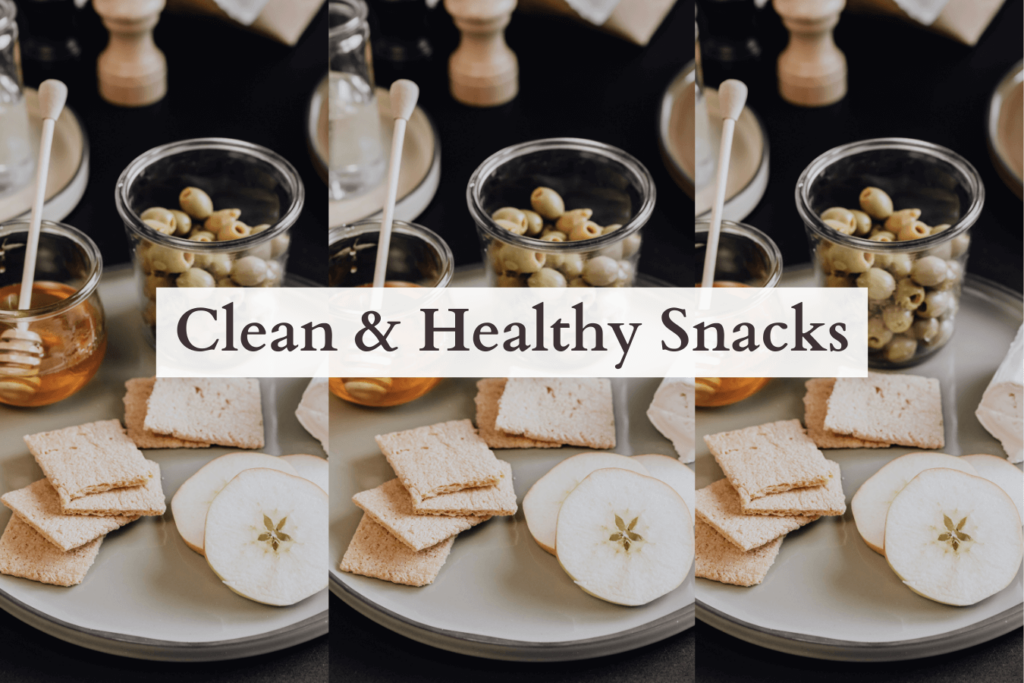
Back to school is either happening or just around the corner! Whether your kids go to public school, private school, or homeschool, healthy snacks are essential for fueling their bodies and brains.
However, health- and toxin-conscious parents and caregivers aren’t interested in the typical “healthy snacks” marketed to children, aka: ultra-processed foods masquerading as superfoods (hard pass).
They want nutrient-dense snacks from whole, real foods that keep the kiddos full, and that they’ll actually want to eat.
Many families also have children with food sensitivities or dietary restrictions. And, you may not have a lot of time to create elaborate, made-from-scratch snacks all the time. If this sounds like your family, we’ve got you!
Keep reading for 20+ healthy snack ideas for kids (homemade, semi-homemade, & healthy premade brands), plus gluten-free, dairy-free, and no-sugar options.
Note: This article contains affiliate links, meaning In On Around will make a small commission at no additional cost to you. This helps us maintain the site. As always, we value full transparency & only work with brands we love and trust.
Author: In On Around Founder & CEO, Catherine Power.
- Published On:
- Updated On: August 23, 2025
Table of Contents
What To Avoid In Kids’ Snacks
If you’re still reading this article, you get the importance of avoiding harmful or unnecessary ingredients in your family’s food.
However, ingredients can be sneaky, especially with so many big food companies buying up smaller health food and organic brands.
Listen, we’re all for balance, which is why we recommend an 80/20 approach to nutrition. This is especially vital to help children develop a healthy and balanced relationship with food. However, we also recognize the insanity of pumping kids full of ingredients proven or suspected to harm their physical, mental, and emotional development.
Sure, it may be just a small snack, but snacks compound over time, which can add up to significant exposure if we’re not careful.

With that in mind, here’s a short list of ingredients we recommend avoiding in kids' healthy snacks:
- Artificial colors
- Artificial flavors
- Artificial sweeteners
- Excitotoxins, including MSG, yeast extract, natural flavors (in some cases), maltodextrin, glutamic acid, glutamate, modified food starch, artificial flavors, artificial sweeteners, and others
- Excess salt
- Excess sugar
- Corn syrup and high fructose corn syrup
- Genetically-modified ingredients such as corn, soy, canola, sugar, and cottonseed
- Gums and stabilizers like carrageenan, guar gum, and xanthan gum
- Nitrites
- Natural flavors (which can be just as bad as the synthetic versions)
- Proinflammatory fats such as canola, corn, cottonseed, safflower, and sunflower oils
- Partially hydrogenated oils (yes, they’re still out there!)
- Preservatives such as benzoates, BHA, BHT, & sulfites
- Soy (exceptions would be whole, organic, non-GMO soy like edamame, tempeh, tofu, etc.)
Can you avoid these ingredients all the time? No.
Unless you keep your kids from birthday parties, socializing, and plan to watch them 24/7, they’re going to get some junk food. And, in most cases, that’s okay. It really is.
Our job as conscious parents and caregivers is to ensure the bulk of their diet is made up of nutrient-dense, healing foods so their bodies are equipped to handle the less-than-optimal “fun foods” of childhood.


20+ Nutrient-Dense Healthy Snacks For Kids With Gluten-Free, Dairy-Free, and No-Sugar Options
Now that you know what to avoid, let’s look at what a healthy snack should look like.
Ideally, it’s free from the ingredients listed above. It would also have a balance of protein, healthy fats, and carbs with some colorful fruits and veggies thrown in for added nutrients.
Finally, a healthy snack does not always have to be homemade. Sure, that would be amazing, and if you can make that happen, we applaud you! However, it’s generally not necessary to fuel up your children right.
So don’t feel bad about taking some help from the store when you need it.
Okay, let’s get into these 20+ nutrient-dense snack ideas for kids with gluten-free, dairy-free, and sugar-free options.

1. Tuna Salad With Avocado Chips Or Healthy Crackers
Tuna has gone out of fashion due to concerns about mercury, which are valid.
However, if you use a brand like Safe Catch, which biopsies every single fish to ensure they have 2-10X less mercury than the FDA mercury action limit (amount dependent on the product), you can still enjoy this classic favorite.
Mix up Safe Catch tuna with an avocado, olive oil, or coconut oil-based mayo or soy-free vegan mayo, celery, relish, salt, pepper, a squeeze of lemon juice, and your favorite ingredients.
Serve with avocado oil potato, organic corn, or cassava chips, or grain-free, gluten-free, or organic crackers.
Protein, healthy fats, veggies, done!

2. Chocolate Hummus with Fruit
Chocolate hummus is so easy to make without refined sugar, gums, or bad fats.
All you need is a can of chickpeas or black beans (organic, BPA-free Eden brand recommended), a couple of tablespoons of nut or seed butter, cocoa powder, maple syrup, honey, coconut sugar (for sugar-free monk fruit or stevia), vanilla, and a pinch of salt.
Buzz it up in a high-speed blender until super creamy, and serve with fresh fruit or naturally-sweetened graham crackers.
This also makes a great alternative to sugar- and bad-fat-laden chocolate hazelnut spreads, and can work for a sandwich too.

3. Banana Or Cottage Cheese Pancakes
If you haven’t yet, search “3-ingredient banana pancakes” for a super simple after-school recipe that’s naturally grain-free, sugar-free, gluten-free, and packed with protein and nutrients.
Organic cottage cheese or ricotta pancakes are also a protein-packed option for those who can have dairy, but take a few more ingredients. For a gluten-free version, sub GF flour.
Serve with pure maple syrup, applesauce, or fresh fruit.
These are also great carriers for nut butters, chocolate hummus, and other toppings when served cold.

4. Pumpkin Seeds
Pumpkin seeds are so much fun to eat (especially for little hands), and they are packed with vitamins, minerals, protein, fiber, and healthy fats.
You can buy sprouted, roasted, salted pumpkin seeds or make your own by roasting raw seeds with your favorite spices and ingredients, like tamari, maple syrup, or cinnamon.
These are delicious as-is or mixed into trail mix, salads, muffins, etc.
We love Eden Organic Pumpkin Seed Pocket Snacks as a convenient lunchbox snack.

5. Air Popped Popcorn Or Popped Sorghum
Popcorn is a beloved snack for older children (can be a choking hazard for babies and toddlers) and can be made healthy by using organic non-GMO popcorn mixed with healthy fats, like grassfed butter, ghee, coconut oil, olive oil, or avocado oil, and mineral-rich sea salt.
For an extra special treat, make caramel corn by combining butter, maple syrup, a bit of organic non-GMO molasses, and sea salt, and toss into the popcorn.
We also love Lesser Evil Organic Popcorn for a quick premade brand that’s super fresh and free from junk.
Avoiding corn? Then try popped sorghum!
Seriously, it’s super good, looks and crunches like tiny popcorn, and makes a great sub.
You can find sorghum seeds to pop yourself or check out Nature Nate’s Popped Sorghum.

Snow Days are available on Thrive Market HERE.
Did someone say grain-free, organic frozen pizza bites?!
Oh yes. Snow Days pizza bites taste just like the conventional frozen pizza bites, with none of the bad stuff.
They’re grain-free, organic, made with grass-fed mozzarella, and contain a surprising amount of vegetables like sweet potatoes, spinach, and red bell pepper.
Just pop them in the toaster oven or air fryer, and your kids have a warm, savory snack that will hold them over until dinner time.
Note, these do contain nutritional yeast, which is nutritious and generally healthful, but which some families with glutamine sensitivity may wish to avoid.
Unfortunately, I don’t have a dairy-free premade brand to recommend, as most of the dairy-free prepared pizzas contain ingredients on our “no list”.

7. Peanut Butter Pretzels Or Pretzels With Nut Butter
No, pretzels aren’t the healthiest snack in the world.
But when you combine them with protein-rich nut butter, they’re a decent option for a quick, protein-rich, filling snack.
The key is to either serve your favorite brand of organic and/or GF pretzels with organic peanut butter or opt for a higher-quality brand, like Quinn Pretzel Nuggets.
These are made from gluten-free flours like sorghum and brown rice and are sweetened with organic cane sugar.
They do contain sunflower oil, but this is about as clean as you can get for a peanut butter-filled pretzel.

8. Ants On A Log With Nut Or Seed Butter
Ants on a log (celery, peanut butter, and raisins) is a classic snack that’s easy to customize based on your children’s needs.
For example, try swapping almond, cashew, or sunflower butter for peanut butter, or uplevel the peanut butter by buying organic.
Not a fan of raisins?
Cranberries, dried blueberries, or mini chocolate chips, cacao nibs, or carob chips are also delicious.

9. Bone Broth With Noodles
Some kids love soup, so why not make it a protein-rich snack?
Just combine your favorite pasture-raised bone broth with a healthy noodle, like Lotus Foods Organic Millet & Rice Ramen Noodles, whole grain pasta, or gluten-free noodles.
Add a small squeeze of fresh lemon juice, and that’s a delicious snack!
High-quality bone broths, like Fond, contain between 10-12 grams of protein per cup with other gut-healing nutrients, so the addition of chicken isn’t necessary.
Serve as a quick and nourishing after-school snack or send it with them in a thermos to warm them up at recess on chilly school days.

10. Protein-Packed Nice Cream with Yogurt & Berries
Nice cream is a great treat on its own, but blended with Greek-style yogurt (dairy or vegan) makes it a filling treat.
Here’s a basic recipe you can customize that makes 2-3 servings:
Ingredients:
- 2 frozen bananas (the riper the bananas, the more banana flavor)
- Half to 1 cup of Greek-style plain yogurt (dairy or vegan)
- 1-2 tablespoons maple syrup, coconut sugar, or your favorite sweetener
- 1 cup of frozen berries (raspberries, strawberries, blackberries, etc.)
- 1 teaspoon vanilla extract
- A pinch of salt
How to make:
- Blend everything in a high-speed blender until smooth and creamy.
- Serve immediately as-is or topped with fresh berries, nuts, or your favorite healthy ice cream toppings.
This can be made in advance, stored in the freezer, and scooped as needed. It just won’t have the same soft-serve texture.

11. Meat Sticks Or Jerky
I love keeping meat sticks and jerky in my purse for a quick snack, and kids love them too.
Fortunately, there are many pasture-raised, organic, gluten-free, added nitrate-free, and additive-free options available.
Some of our faves include:
- Epic Wagyu Beef Steak Strips Jerky
- Lineage Provisions (Discount code: INONAROUND)
Learn more in: Healthy Meat Snacks – Meat Sticks and Beef Jerky Without Added Nitrates

12. Fruit & Veggie Plate Or Box With Dips
You can’t go wrong with an array of freshly cut fruit and vegetables with dips.
Aim to include several colors and keep the dips healthy and filling, such as hummus, Greek yogurt-based dips, black bean dips, dairy-free cheese, cottage cheese, ricotta, and smoked salmon or trout dips.

13. Protein Box
This is a fun, savory, and hearty snack that goes well in a lunchbox or a miniature lunchbox.
Some combinations include:
- Roasted almonds, organic turkey pepperoni, hard-boiled egg, pita chips, or lavash
- Pistachios, rolls of healthy lunch meat, baby mozzarella (bocconcini), cherry tomatoes
- Cashews, roasted chickpeas or hummus, gluten-free crackers or pretzels, miniature pickles

14. Organic Overnight Oats
Who says overnight oats are just a breakfast thing?
Whether you make them yourself or buy them, half a cup can provide a healthy dose of gut-friendly fiber and beta-glucans, protein, and essential nutrients, and make a great yogurt substitute.
Want to boost the protein content?
Try using protein oats, like Zego Double Protein Organic Oats, plus Greek-style yogurt and/or a bit of organic peanut butter powder, nut butter, or clean protein powder, for a super filling snack.
Oats can be heavily sprayed with pesticides/herbicides, so make sure it’s organic.

15. A Bowl Of Organic, Non-GMO, Healthy Cereal With Milk Or Plant Milk
Finally! Being healthy doesn’t have to mean avoiding cereal altogether.
Although it’s not a complete snack in terms of healthy fat and protein, brands like Seven Sundays, LoveBird, and Purely Elizabeth offer lots of yummy low-sugar cereal options free from GMOs, glyphosate, and artificial ingredients that kids will love.
Just add their favorite pasture-raised organic milk or additive-free plant milk, and you’re done.
Get the full scoop on healthier cereal brands in: The Best Non-GMO, Glyphosate-Free, Healthy Cereals for Kids

16. Guacamole And Chips
A healthy version of guacamole and chips would include organic, non-GMO chips made from healthy fats, such as avocado, olive, or coconut oils or tallow, plus your favorite additive-free guacamole.
When buying store-bought guac, do your best to find additive-free versions. However, since avocados are never on the dirty dozen list and are not genetically modified, it’s fine to buy conventional.
If making at home, keep it simple by adding a bit of your favorite non-GMO salsa to fresh avocados. Mash & serve.

17. Clean Snack Bars
Snack bars can be a real time-saver, but finding healthy, low-sugar options is tough.
We really like Scout Organic Snack Bars, which are gluten-free, dairy-free, soy-free, plant-based, and contain 8-10 grams of sugar per bar from maple syrup or dates.
Other naturally-sweetened and additive-free bar options include:
- Bearded Brothers Bars
- Wellabars
- Epic bars (look for the ones without added sugar)
- Perfect Bars
- Lara Bars can also be good, so long as you avoid the ones with natural flavors and added sugar (check the labels).
Earlier, we discussed creatine’s role in creating ATP, the energy powerhouse of the cells. It’s this energy that enables us to exert short bursts of effort during exercise.

18. Ricotta, Cottage Cheese, Or Chia Pudding
Puddings are a favorite among children (and adults) and can be made healthy with the right ingredients.
If your children tolerate dairy, you can make a quick ricotta or cottage cheese pudding by adding your cheese of choice, 1-3 tablespoons of maple syrup or honey, cocoa powder, and/or vanilla to a blender and blending on high speed until smooth.
For a dairy-free option, try chia pudding, a zero-fuss combination of chia seeds, plant milk, maple syrup, a pinch of salt, and vanilla and/or cocoa left to sit overnight in the fridge (shake once after 30 minutes). Its texture is similar to tapioca, and it’s loaded with nutrients.
A quick online search will yield dozens of recipe variations for different flavors and toppings.

19. Bean Muffins
Kids typically love muffins, but they’re usually mostly sugar and flour.
However, bean-based muffins are typically flourless, naturally gluten- and dairy- and oil-free, and whipped up fast in the blender using a can of beans, nut butter, applesauce or mashed banana, rolled oats, vanilla, baking powder, a pinch of salt, and optional mini chocolate chips, dried fruit, or nuts.
They have an irresistible fudgey texture, are quick to make, and freeze beautifully.
Plus, they’re full of fiber, protein, and healthy fats to keep kids full and satisfied.

20. Smoothies
Smoothies make the perfect quick snack and can hide just about any vegetable, greens powder, or other healthy foods you want your kids to eat more of.
Here’s a quick tutorial on how to make a healthy, filling smoothie.
-
- Start with a creamy base: Bananas and mango are good dairy-free options, or choose kefir or yogurt.
- Add berries: Raspberries, strawberries, blueberries, blackberries, cherries…they’re all packed with healthy antioxidants, vitamins, and minerals.
- Sneak in one of these smoothie-friendly veggies: Veggies like spinach, kale, frozen cauliflower, purple cabbage, steamed or canned pumpkin or squash, and frozen zucchini or yellow squash all make for neutral veggie additions.
- Pro tip: If you don’t want the veggies to turn the smoothie green, add dark berries, such as wild blueberries and/or blackberries
- Add a squeeze of lemon or lime: This helps brighten the flavor and brings out the natural sweetness of the fruit.
- Go with a low-sugar liquid: If you’re already using yogurt or kefir, you’ll need less liquid. Low-sugar options include coconut water, regular water, brewed herbal tea, unsweetened cranberry juice, or diluted juice.
- Optional ingredients:
-
- Half or a whole scoop of clean protein powder, like:
- Vanilla extract
- Nut butter or peanut butter powder
- Coconut or MCT oil for a healthy fat
- A clean greens powder, like:
Blend it all up and serve chilled or send it to school in an insulated thermos.
Related reading: Clean Organic Gluten-Free Protein Powder – Best Protein Powders
FREE Download:
Beginner's Guide to Holistic Health
Get 16 actionable tips to start making healthy, non-toxic swaps. Enter your name and email below.
Final Thoughts: Now You’re All Set With The Best Kids' Healthy Snacks To Start The School Year
We have at least twenty more ideas to share, but we’re out of time!
So tell me, what are your family’s favorite healthy snacks for kids? Comment below and share the love. Wishing you a happy school year!

Want to read more? Check out our other articles here!
Copyright In On Around LLC 2025 ©. The statements made on this website have not been evaluated by the FDA (U.S. Food & Drug Administration). They are not intended to diagnose, treat, cure, or prevent any disease. The information provided by this website should not be used as individual medical advice and you should always consult your doctor for individual recommendations and treatment. The information contained in this site is provided on an “as is” basis. Related to this site, there are no guarantees of completeness, accuracy, usefulness, or timeliness. In On Around LLC assumes no responsibility or liability for any errors or omissions in the content of this site.
Frequently Asked Questions – How to Navigate Healthy Snacks for Kids
Click on the below FAQs to learn more about: Healthy Snacks for Kids
A clean snack is made with whole, minimally processed ingredients without artificial colors, flavors, or preservatives. Ideally, it balances protein, healthy fats, and fiber to keep kids satisfied.
Most kids benefit from 2–3 snacks per day between meals, depending on their age, activity level, and appetite. Snacks should help fill nutrition gaps, not just serve as “filler food.”
Make healthy options the easiest and most appealing choice. Keep prepped fruits and veggies at eye level in the fridge, use fun containers, and offer variety. Modeling healthy snacking yourself also encourages kids to follow along.
Offer snacks at least 1.5–2 hours before meals so kids come to the table hungry but not overly cranky. Keep portions snack-sized—just enough to bridge the gap—so that the main meal is still the focus.